

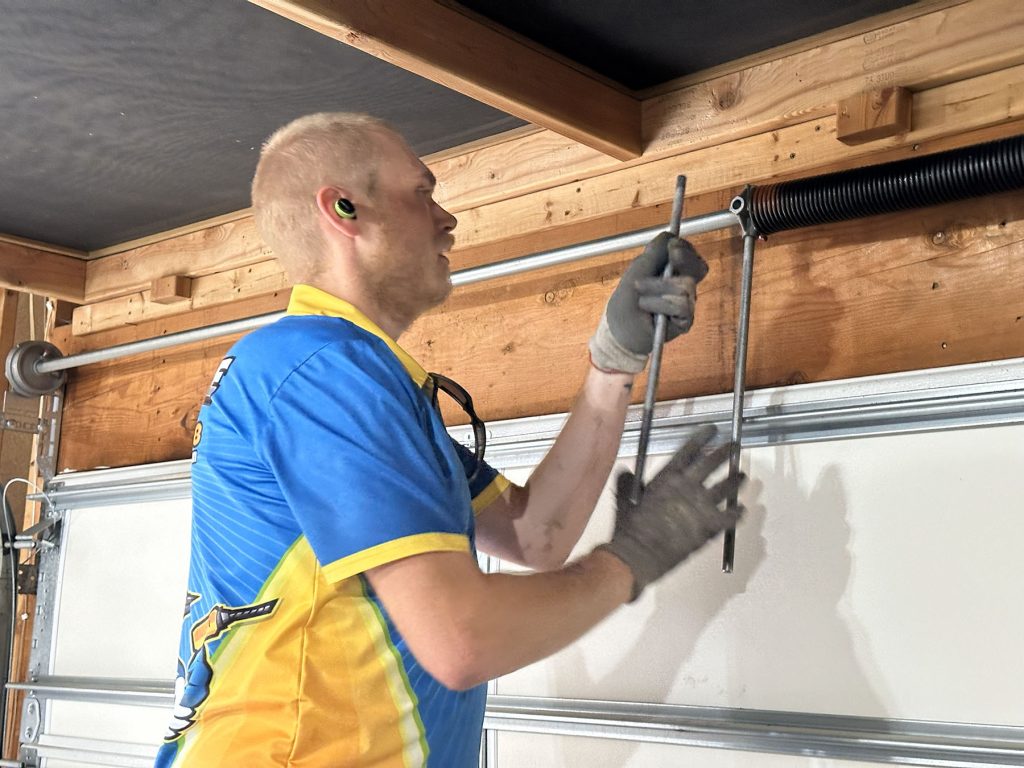
Your garage door works hard every day, opening and closing thousands of times throughout the year while standing up to changing weather, temperature swings, and constant use. Like any moving system, it needs regular attention to keep performing safely and reliably. That’s where garage door inspections come in. While inspections can technically be done at any point in the year, certain seasons offer better opportunities to catch issues, prevent breakdowns, and keep your system running smoothly. Understanding when to schedule one can make a noticeable difference in how long your door lasts and how well it performs. Many homeowners overlook the value of timing when it comes to maintenance, but planning your inspections around seasonal changes can save you both money and frustration in the long run.
Why Timing Matters for Garage Door Inspections
Garage doors are exposed to a wide range of conditions throughout the year. Cold temperatures can stiffen springs and cause lubricants to thicken, while summer heat can stress motors and worn components. Moisture, humidity, and seasonal debris also affect how smoothly a door operates. Because these conditions vary by season, the timing of garage door inspections can play a major role in catching problems before they grow into expensive repairs. Scheduling inspections strategically allows you to align maintenance with the conditions your door is most likely to face. This proactive approach helps you stay ahead of wear and tear instead of reacting to sudden malfunctions.
Beyond the mechanical side, timing also affects how convenient and accessible service can be. Booking an inspection during peak demand seasons may take longer to schedule, while planning ahead during quieter months often gives you more flexibility. Aligning your inspections with the natural rhythm of the year helps make the process smoother and more efficient overall.
Spring: A Fresh Start for Your Garage Door
Spring is one of the most popular seasons for garage door inspections, and for good reason. After months of cold weather, your door has likely endured freezing temperatures, snow, ice, and contraction of metal components. These conditions can cause hidden wear that may not be obvious until the system starts acting up. A spring inspection allows a technician to evaluate how well the door handled the winter season and identify any damage that needs attention.
During this time of year, technicians typically check torsion springs, cables, weather seals, rollers, and lubrication points. Spring is also a great opportunity to clean tracks, tighten loose hardware, and confirm that the opener is functioning correctly. Catching minor issues now helps prevent bigger problems as the door enters the busier summer season. Many homeowners also use this time to refresh other parts of their property, making it a natural moment to include the garage door in their seasonal upkeep routine.
Summer: Preparing for Heavy Use and Heat
Summer brings longer days, more outdoor activity, and increased use of the garage. Whether you’re heading out for errands, working on home projects, or storing seasonal equipment, your garage door tends to operate more frequently during these months. Heat also plays a role, since high temperatures can stress opener motors, soften lubricants, and accelerate wear on certain components.
Garage door inspections during the summer focus on confirming that the system can handle this increased demand. Technicians often examine the opener, rollers, hinges, and balance of the door to make sure everything is working in sync. If your garage faces direct sunlight or experiences high indoor temperatures, a summer inspection becomes even more valuable. Addressing small issues during this season helps avoid disruptions when you rely on the door most. Summer is also a smart time to evaluate the condition of weather stripping and insulation, especially if your garage is used as a workspace or storage area where temperature control matters.
Fall: Getting Ready for Winter Demands
Fall is widely considered the most important time of year to schedule garage door inspections. As temperatures drop and winter approaches, your door needs to be ready for the toughest conditions of the year. Cold weather places significant strain on garage door systems, especially springs, cables, and openers. A pre-winter inspection helps confirm that every component is in proper working order before freezing temperatures arrive.
During a fall inspection, technicians typically focus on weather seals, insulation, balance, and opener performance. They also check for any signs of wear that could worsen in cold conditions, such as fraying cables or weakening springs. Lubrication is another key step during this season, since the right products help components move smoothly even in low temperatures. Scheduling an inspection in the fall gives you peace of mind heading into the winter months and reduces the risk of unexpected failures when you need the door most. Taking care of these checks early also helps you avoid emergency service calls during the holiday season, when scheduling can become more difficult.
Winter: When Inspections Become Essential
Winter is the season that puts garage door systems through the most stress. Freezing temperatures can cause metal parts to contract, lubricants to thicken, and weather seals to stiffen. Heavy snow, ice, and moisture can also create conditions that affect how the door opens and closes. While winter is not the most convenient time for routine maintenance, it is often when inspections become essential.
If your door is making unusual noises, struggling to open, or moving unevenly during cold months, a winter inspection can identify the cause quickly. Technicians look for issues like frozen tracks, weakened springs, strained openers, and cracked seals. Addressing these problems early helps prevent complete breakdowns that could leave your garage exposed to the elements. Even if your door seems to be working fine, a quick check during winter can confirm that everything is operating safely. Winter inspections also serve as a reminder of how important year-round care is, since this season often reveals weaknesses that may have been building up over time.
How Often Should You Schedule Garage Door Inspections?
Most homeowners benefit from scheduling garage door inspections at least once a year, with twice a year being ideal for systems that experience heavy use. Doors used multiple times daily, older systems, and properties in regions with extreme weather may need more frequent attention. Commercial properties with high-traffic garage doors often require even more regular inspections to maintain consistent performance.
Your usage habits, climate, and the age of your door all play a role in determining how often inspections should occur. A newer door in a mild climate may only need annual attention, while an older system in a region with harsh winters may benefit from seasonal checks. Working with a professional helps you build a schedule that fits your specific situation. Keeping a record of past inspections and any repairs made can also help you stay organized and aware of how your system changes over time.
Signs You Shouldn’t Wait for the Next Season
While seasonal timing is helpful, some issues require immediate attention regardless of the time of year. If your door is making grinding, popping, or scraping noises, moving unevenly, or struggling to open and close, these are signs that an inspection is needed right away. Other red flags include sagging sections, slow response times, visible cable damage, and unusual vibrations during operation.
Ignoring these symptoms can lead to bigger problems, including complete system failure or safety hazards. Garage doors rely on tension, balance, and precise alignment to function correctly, and small issues can quickly grow into major repairs. When in doubt, scheduling an inspection sooner rather than later is always the safer choice. Acting early also helps preserve the value of your system, since timely service often costs far less than full replacement of damaged components.
What to Expect During a Professional Garage Door Inspection
A professional garage door inspection is a thorough process designed to evaluate every part of the system. Technicians typically begin by examining the springs, cables, and rollers for signs of wear or damage. They also check the opener, sensors, and safety reversal features to confirm that everything operates correctly. Balance testing is another important step, since an unbalanced door places extra strain on the opener and can lead to premature failure.
In addition to component checks, technicians inspect tracks, hinges, weather seals, and hardware for any signs of damage or misalignment. Lubrication is often applied to moving parts, and any loose bolts or brackets are tightened. Once the inspection is complete, you should receive a clear summary of the door’s condition and any recommended repairs or adjustments. This process helps you stay informed and confident in the safety and reliability of your system. A well-documented inspection also gives you a clearer understanding of how your door is aging and what to expect in the months ahead.
Schedule Your Garage Door Inspection With MN Garage Door Service
Keeping your garage door in top condition starts with consistent inspections that match the demands of each season. Whether you’re preparing for winter, recovering from heavy summer use, or addressing a sudden issue, professional attention helps protect your system and extend its lifespan. MN Garage Door Service provides thorough garage door inspections designed to catch problems early and support long-term performance. Scheduling regular service with MN Garage Door Service gives you peace of mind knowing your system is ready to handle whatever the year brings, while also helping you maintain the safety, security, and convenience your home depends on every day.