

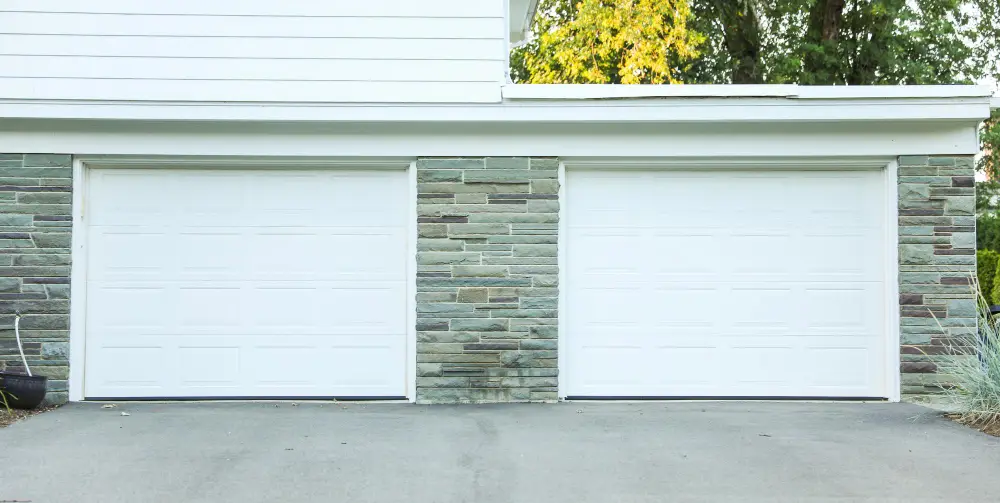
Before a new garage door goes in, a proper inspection of the surrounding structure and existing setup can make the difference between a smooth installation and unexpected surprises halfway through the job. If you are planning a garage door installation, understanding what a pre-installation inspection actually covers helps you know what to expect and why it matters.
Here is a full breakdown of what goes into this process and why skipping it is never a good idea.
Quick Answer: What Gets Checked Before Installation
A pre-installation garage door inspection typically covers the condition of the opening and frame, the track system, the flooring and foundation beneath the door, existing hardware, electrical and opener setup, and any structural issues that could affect a new door’s fit or performance. The goal is to confirm the space is ready for a new door and to catch problems early, before they turn into installation delays or added costs.
Why a Pre-Installation Inspection Matters
A garage door is only as good as the structure it is installed into. Even a high-quality door will not perform well if it is placed into a frame that is out of square, resting on a damaged track system, or paired with an opener that is not compatible with the new setup.
At MN Garage Door, every installation begins with a thorough assessment of your garage door system. This step allows our technicians to identify any underlying issues and tailor the installation to your specific space, rather than treating every job the same way.
What a Pre-Installation Inspection Covers
Frame and Opening Condition
The first thing a technician checks is the condition of the door opening itself. This includes looking for warping, rot, rust, or shifting in the frame. If the opening is not level or square, adjustments may be needed before the new door can be installed properly. A misaligned frame can cause a new door to bind, seal poorly, or wear out faster than it should.
Tracks and Rollers
Even if you are replacing the entire door, the existing tracks are inspected to determine whether they can be reused or need to be swapped out. Bent, rusted, or misaligned tracks affect how smoothly a new door will operate, so this step is essential for long-term performance.
Springs and Cables
Garage door springs and cables bear significant weight and tension, and their condition matters even during an installation project. A technician will check whether the current springs are sized correctly for the new door and whether the cables are in safe, working condition or need to be replaced as part of the job.
Garage Floor and Foundation
The flooring directly beneath the door is checked for cracks, unevenness, or drainage issues. A sloped or damaged floor can affect how well the new door seals against the ground, which impacts both energy efficiency and protection from the elements.
Opener Compatibility
If you are keeping your existing opener, it needs to be checked for compatibility with the new door’s weight and size. Openers are matched to specific door types, and using the wrong one can lead to premature wear or safety issues. This is also a good opportunity to discuss upgrades like remote access or smartphone-compatible openers if you are interested in modernizing your setup.
Hardware and Rollers
Hinges, rollers, and other hardware are inspected for wear. Even when hardware appears fine, a full inspection helps determine whether reusing existing components will support the new door properly or whether fresh hardware should be part of the installation.
Safety Features
Sensors, auto-reverse mechanisms, and other safety components are reviewed to confirm they will function correctly with the new door. This is particularly important for homes with children or pets, where reliable safety features are non-negotiable.
Insulation and Weatherproofing Needs
Depending on how the garage is used, a technician may also assess whether additional weatherstripping or insulation upgrades make sense as part of the installation. This is especially relevant in Minnesota, where temperature swings throughout the year put extra demand on a garage door’s seal and materials.
What Happens After the Inspection
Once the inspection is complete, you will get a clear picture of what your installation involves; whether that means a straightforward swap of the old door for the new one, or whether additional work like track replacement, frame repair, or opener upgrades should be included. Clear communication at this stage means no surprises once the installation begins.
This is also the point where you can ask questions about material options, styles, and features so the final decision fits both your home’s appearance and your practical needs.
How Long Does a Pre-Installation Inspection Take?
Most inspections take well under an hour, depending on the complexity of the existing setup. Straightforward openings with no major issues move quickly, while garages with older doors, custom framing, or previous damage may take a bit longer to fully assess.
Frequently Asked Questions
Is a pre-installation inspection necessary if I am just replacing an old door with a similar one? Yes. Even a like-for-like replacement benefits from an inspection, since the frame, tracks, and hardware may have shifted or worn down over the years in ways that are not obvious without a closer look.
Can I keep my current opener when installing a new garage door? In many cases, yes, as long as the opener is compatible with the new door’s size and weight. This is confirmed during the inspection.
What happens if the inspection finds a problem with my garage floor or frame? Your technician will explain the issue and recommend a solution before installation moves forward, whether that means minor adjustments or more involved repair work.
Does the inspection cost extra on top of installation? The inspection is a standard part of the installation process, allowing your technician to give you an accurate plan and pricing based on your specific garage setup.
How do I know if my existing springs and cables can be reused? A technician will assess their condition and sizing during the inspection and let you know whether they meet the requirements for your new door.
Schedule Your Garage Door Installation with Confidence
A thorough pre-installation inspection sets the foundation for a garage door that performs well for years to come. MN Garage Door has been helping homeowners across Maple Grove, Golden Valley, Minneapolis, Plymouth, Eden Prairie, and the greater Twin Cities area get accurate assessments and dependable installations, backed by clear communication every step of the way.
If you are considering a new garage door, call MN Garage Door at (763) 335-1347 or book an appointment online to schedule your inspection and get started with a team that takes the time to do it right.