

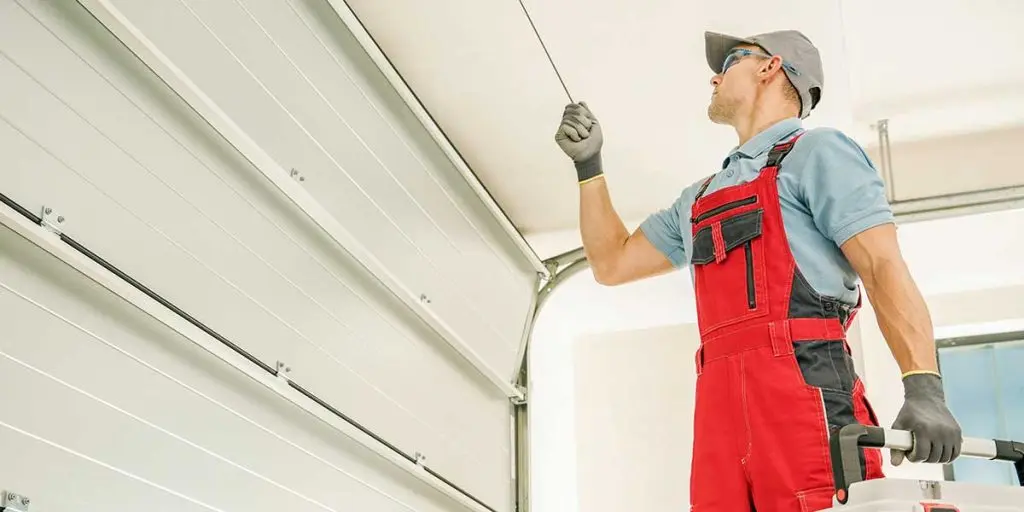
Garage door inspections are one of the most effective ways to catch small issues before they turn into bigger problems. During a professional inspection, a trained technician examines every major component of the system to confirm it’s working safely and efficiently. From springs and cables to safety sensors and overall balance, each part plays a role in how well your garage door performs. Understanding what technicians actually check during garage door inspections helps you see the value of regular service and gives you a better idea of what to expect during your next visit.
Knowing what’s involved also helps you feel more confident discussing any findings with your technician and asking the right questions along the way. This awareness also makes it easier to recognize when a follow-up repair or adjustment may be worth scheduling sooner rather than later.
Why Garage Door Inspections Matter
Garage doors are made up of many moving parts that work together every time the door opens and closes. Springs, cables, rollers, tracks, and the opener all play a specific role in keeping the system balanced and functional. Over time, these components naturally wear down, which is why regular inspections are so important.
Routine garage door inspections help catch small issues early, preventing them from turning into costly repairs. They also support safety, extend the lifespan of the system, and ensure consistent daily performance. Skipping inspections often leads to unexpected breakdowns that could have been avoided with regular attention. A consistent inspection schedule gives you a clearer picture of how your system is aging over time, making it easier to plan ahead for repairs or upgrades before they become urgent and disruptive.
What Do Technicians Check During Garage Door Inspections?
During a professional inspection, technicians examine every major component of the garage door system. This includes springs, cables, rollers, tracks, hinges, the opener, safety sensors, and weatherstripping. They also test the door’s balance and check remote controls for proper function. Each of these checks is designed to identify wear, damage, or performance issues before they become bigger problems. Understanding what’s involved in a thorough inspection helps you see why professional service is so valuable. This level of detail is difficult to achieve without the right training and experience.
Key Components Checked During a Garage Door Inspection
A complete garage door inspection covers a wide range of components. Here’s a closer look at what technicians typically examine during a visit.
Springs and Tension
Technicians inspect torsion and extension springs for signs of wear, rust, or damage. They also check the spring tension to confirm the door is properly balanced.
Springs play a major role in lifting the door, so any issues here can affect the entire system. Catching spring problems early helps prevent sudden failures and keeps the door operating safely. Because springs are under high tension, this check requires careful attention and experience.
Cables and Pulleys
Cables are examined for fraying, rust, or looseness, since they work closely with the springs to support the door’s movement. Technicians also check pulleys to ensure they’re turning smoothly and supporting the cables correctly.
Worn or damaged cables can lead to uneven movement or sudden breakdowns, making this a key part of every inspection. Technicians also look closely at how the cables wrap around the drum to confirm everything is seated correctly.
Rollers and Tracks
Technicians inspect rollers for wear and check the tracks for misalignment, dents, or debris. Rollers that are worn or tracks that are out of alignment can cause the door to move unevenly or get stuck.
This part of the inspection helps confirm that the door glides smoothly along its path without unnecessary strain. Technicians also check for buildup of dirt or grime that could affect roller movement over time.
Hinges and Hardware
Hinges connect the door panels and allow them to bend as the door moves along the curved part of the track. Technicians check hinges and other hardware for looseness, rust, or damage.
Loose or damaged hinges can lead to noise, instability, and additional wear on other components, so this check is an important part of the process. Tightening or replacing worn hinges helps the door move more quietly and consistently.
Garage Door Opener
Technicians test the opener’s motor, listen for unusual noises, and confirm the connection between the opener and the door. They also check for proper force settings and overall performance.
The opener plays a central role in daily operation, so this check helps ensure the system is working as it should and reduces the risk of unexpected opener failure. Technicians may also inspect the gears and drive mechanism for signs of wear that could affect long-term reliability. Checking the opener’s settings also helps confirm it’s calibrated correctly for the specific door it’s paired with.
Safety Sensors and Auto-Reverse Feature
One of the most important checks during an inspection involves the safety sensors and auto-reverse feature. Technicians test these systems to confirm the door stops or reverses when it detects an obstruction.
This feature is essential for protecting children, pets, and property from accidents. A properly functioning safety system is one of the top priorities during every inspection. Technicians also check the alignment of the sensors, since even a slight shift can prevent them from working correctly.
Weatherstripping and Seals
Technicians check the condition of the weatherstripping and seals around the door. Worn or damaged seals can allow air, moisture, and debris to enter the garage, affecting insulation and energy efficiency.
Replacing damaged weatherstripping helps maintain consistent indoor temperatures and protects the garage from outside elements. This is especially important for garages used as workspaces or storage areas that require more stable conditions.
Door Balance
Technicians test the door’s balance by checking how it moves when manually operated. A balanced door should stay in place when lifted partway, without dropping or rising on its own.
An unbalanced door places extra strain on the opener and other components, so this check helps confirm the system is working efficiently. Addressing balance issues early also helps prevent premature wear on the springs and cables.
Overall Door Condition
Technicians visually inspect the door for dents, rust, cracks, or warping. This helps identify cosmetic and structural issues that may need attention.
Even minor damage can affect the door’s performance over time, so catching these issues early helps maintain both appearance and function. Technicians may also note areas where touch-up repairs could improve the door’s overall look, helping the system stay in good condition for longer.
Remote Controls and Keypads
Technicians test remote controls and keypads to confirm they’re working properly. This includes checking batteries, signal strength, and overall responsiveness.
A quick check of these components helps prevent frustration caused by unresponsive remotes or keypads. If programming issues are found, technicians can often resolve them on the spot.
Lubrication Points
Technicians check and apply lubrication to rollers, hinges, and springs as needed. Proper lubrication reduces friction, lowers noise, and helps the system operate smoothly.
This is a simple but important step that supports the longevity of the entire garage door system. Using the right type of lubricant also helps prevent buildup that could attract dirt and debris.
What Happens After a Garage Door Inspection?
Once the inspection is complete, the technician provides a summary of their findings. This typically includes any recommended repairs, adjustments, or replacements needed to keep the system in top condition.
You’ll also receive an overview of the door’s overall health, giving you a clear picture of what to expect going forward. This transparency helps you make informed decisions about any necessary follow-up service. Many technicians also offer guidance on how to maintain the system between visits.
Why Professional Garage Door Inspections Are Worth It
Professional garage door inspections offer a level of thoroughness that’s hard to achieve on your own. Trained technicians know exactly what to look for and have the tools and experience needed to catch issues that may not be obvious to homeowners.
Regular inspections help extend the lifespan of your system, improve safety, and reduce the risk of costly repairs. For most homeowners, scheduling routine inspections is one of the smartest ways to protect their garage door investment. The peace of mind that comes with a thorough inspection is often worth far more than the time it takes to schedule one, especially when it helps you avoid emergency repairs down the road.
Schedule Your Garage Door Inspection With MN Garage Door Service
Understanding what technicians check during a garage door inspection helps you see the value of regular service. From springs and cables to safety sensors and overall balance, a thorough inspection covers every important part of the system. MN Garage Door Service provides detailed garage door inspections designed to catch problems early and support long-term performance.
Trusting MN Garage Door Service with your inspection ensures every component receives the attention it needs to keep your system safe and reliable for years to come. Scheduling a visit today is one of the easiest ways to stay ahead of unexpected garage door issues.