

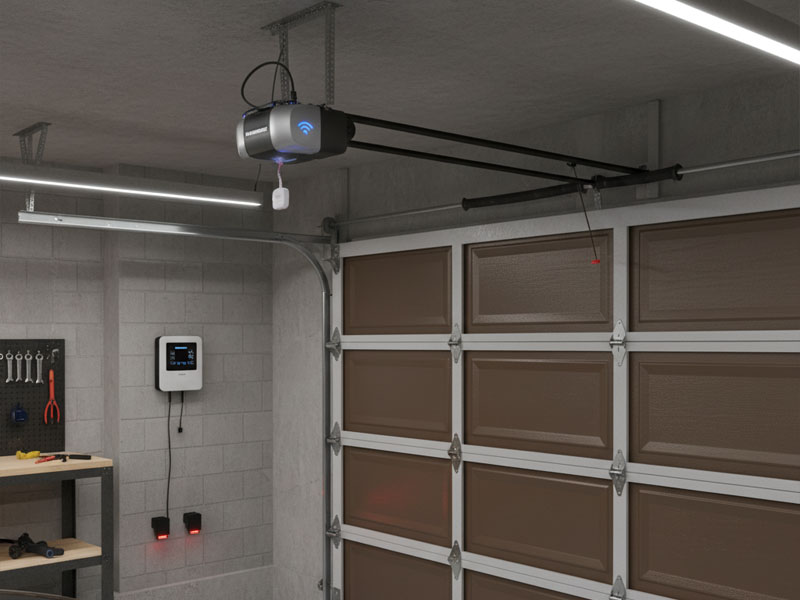
Most homeowners use their garage door every day without thinking about what makes it work. Behind every smooth opening and closing cycle is a system of connected components working together under tension and controlled movement. Each part has a specific function, and when one begins to wear down or fail, it can impact the performance of the entire system.
The most important garage door parts include springs, cables, rollers, tracks, hinges, and the opener system. These components work together to lift, guide, and control the door safely and efficiently. Understanding how these parts function can help you identify early warning signs, prevent breakdowns, and maintain consistent performance over time.
When all components are working properly, the garage door operates quietly, smoothly, and with minimal effort. However, even a small issue in one part of the system can lead to noticeable changes in performance, making early awareness and routine attention essential for keeping the entire system functioning as it should.
How a Garage Door System Works as a Whole
A garage door system is designed to operate as a balanced and coordinated unit. The door itself is heavy, and it relies on multiple components working together to manage that weight and ensure smooth operation. Springs provide the lifting force, while cables help guide and support controlled movement during each cycle.
Rollers allow the door to move along the tracks with minimal resistance, while the opener controls the timing and direction of movement. When all parts are properly aligned and functioning correctly, the system operates smoothly. If one component becomes worn or misaligned, it can disrupt the balance and create additional strain across the entire system.
Garage Door Springs: The Core of the System
Garage door springs are one of the most important parts of the system because they handle the majority of the door’s weight. These springs store and release energy to make lifting the door possible without excessive effort. Torsion springs are mounted above the door, while extension springs are located along the sides.
As springs wear down, they lose tension and become less effective at supporting the door. This can cause the door to feel heavier, move unevenly, or stop functioning altogether. A broken spring can prevent the door from opening and may create a safety concern. Proper maintenance helps ensure springs remain balanced and continue to operate safely.
Garage Door Cables: Supporting Safe Movement
Garage door cables work closely with the springs to lift and lower the door in a controlled manner. These cables are attached to the bottom of the door and help distribute weight evenly during operation. Their role is essential in keeping the system balanced and stable.
If cables become frayed, stretched, or damaged, the door may begin to move unevenly or appear tilted. This imbalance can put additional strain on other components and increase the risk of failure. Keeping cables in good condition helps maintain smooth movement and supports the safe operation of the entire system.
Garage Door Rollers: Ensuring Smooth Operation
Rollers guide the garage door along the tracks and allow it to move smoothly during operation. Although they are small components, they play a significant role in reducing friction and maintaining steady movement.
When rollers begin to wear out, they can create resistance that leads to noise, jerky motion, and slower operation. This added friction can also place stress on the opener and other parts of the system. Replacing worn rollers helps restore smooth movement and supports overall system efficiency.
Garage Door Tracks: Keeping the Door Aligned
Garage door tracks provide the pathway that the door follows as it opens and closes. These tracks must remain properly aligned to ensure the door moves evenly and without obstruction. Even small misalignments can affect how the door travels.
Bent or misaligned tracks can cause the door to become stuck, move unevenly, or operate unpredictably. This not only affects performance but can also create safety concerns. Keeping tracks properly aligned is essential for maintaining consistent and reliable door operation.
Hinges and Hardware: Holding the System Together
Hinges and hardware connect the different sections of the garage door and allow it to bend as it moves along the tracks. These components play a key role in maintaining the structural integrity of the system.
Over time, hardware can loosen or wear down due to repeated use. Loose hinges or brackets can lead to instability, noise, and uneven movement. Regular inspection helps ensure all hardware remains secure and continues supporting the system effectively.
Garage Door Opener: Controlling Movement
The garage door opener is responsible for automating the opening and closing process. While it does not lift the full weight of the door, it controls the movement and ensures the system operates on command.
If the opener is not functioning properly, the door may respond slowly, stop unexpectedly, or fail to open or close completely. Issues with the opener can also affect consistency and reliability. Proper maintenance and calibration help ensure the opener works efficiently with the rest of the system.
Safety Sensors: Protecting People and Property
Safety sensors are an important feature that prevents the garage door from closing when something is in its path. These sensors help protect people, vehicles, and belongings from potential damage.
If the sensors are misaligned or not working correctly, the door may fail to close properly or reverse unexpectedly. Ensuring these sensors are properly aligned and functioning helps maintain both safety and consistent performance.
How These Garage Door Parts Work Together
Each garage door part plays a specific role, but it is their combined function that allows the system to operate effectively. Springs manage the weight of the door, cables support controlled movement, rollers guide it along the tracks, and the opener controls the overall operation. Together, these components create a system that allows the door to open and close smoothly with minimal effort.
When all components are working together in proper balance, the garage door operates consistently and without strain. This balance ensures that no single part is forced to carry more load than it was designed for. As a result, the system performs efficiently and maintains steady, reliable movement during daily use.
If one part begins to fail, it can quickly affect the rest of the system. A worn or damaged component can create imbalance, leading to added stress on surrounding parts and accelerating wear. Maintaining the system as a whole helps prevent these issues and supports long-term performance.
Signs That Garage Door Parts Are Affecting Performance
When garage door parts begin to wear out, the system often shows clear signs. These signs may include unusual noises, slower operation, or uneven movement during opening and closing cycles.
You may also notice delayed response times, increased resistance, or visible wear on certain components. These indicators suggest that one or more parts may need attention. Addressing these signs early helps prevent further damage and keeps the system operating properly.
In some cases, performance issues may appear gradually, making them easy to overlook at first. Paying close attention to changes in how your garage door sounds and moves can help you catch problems early and maintain consistent, reliable operation.
Why Regular Maintenance of Garage Door Parts Is Important
Regular maintenance helps keep all garage door parts functioning correctly and working together efficiently. Routine inspections allow technicians to identify wear, make adjustments, and apply lubrication where needed.
Maintenance also helps reduce strain on individual components, allowing them to last longer and perform better. A well-maintained system is less likely to experience unexpected failures and provides more reliable daily operation.
Consistent maintenance also helps preserve the overall balance and alignment of the system. When all components are properly adjusted and in good condition, the garage door operates more smoothly, reduces unnecessary stress on the opener, and maintains dependable performance over time.
When to Repair or Replace Garage Door Parts
Over time, garage door parts will naturally wear out and require repair or replacement. Daily use, environmental conditions, and general wear can all affect how long each component lasts. Knowing when to take action is important for maintaining safe and efficient performance and preventing more serious system issues.
In many cases, minor wear can be addressed through repair. Components such as rollers, hinges, or hardware may simply need adjustment, tightening, or replacement of specific parts to restore proper function. However, if a component is significantly worn, damaged, or no longer operating reliably, replacement may be the better option to maintain system balance and performance.
If a part shows visible damage, affects operation, or creates safety concerns, it should be addressed promptly. Ignoring these issues can place additional strain on other components and lead to more complex problems. Professional evaluation helps determine whether repair or replacement is the most effective solution and ensures the system is restored correctly for safe and consistent operation.
Keeping Your Garage Door System Performing Properly
Understanding how garage door parts function helps you take better care of your system. Each component plays a role in maintaining safe, smooth, and reliable operation.
By staying proactive with maintenance and addressing issues early, you can extend the life of your garage door and avoid unnecessary disruptions. A well-maintained system ensures consistent performance and supports the daily convenience your garage door provides.