

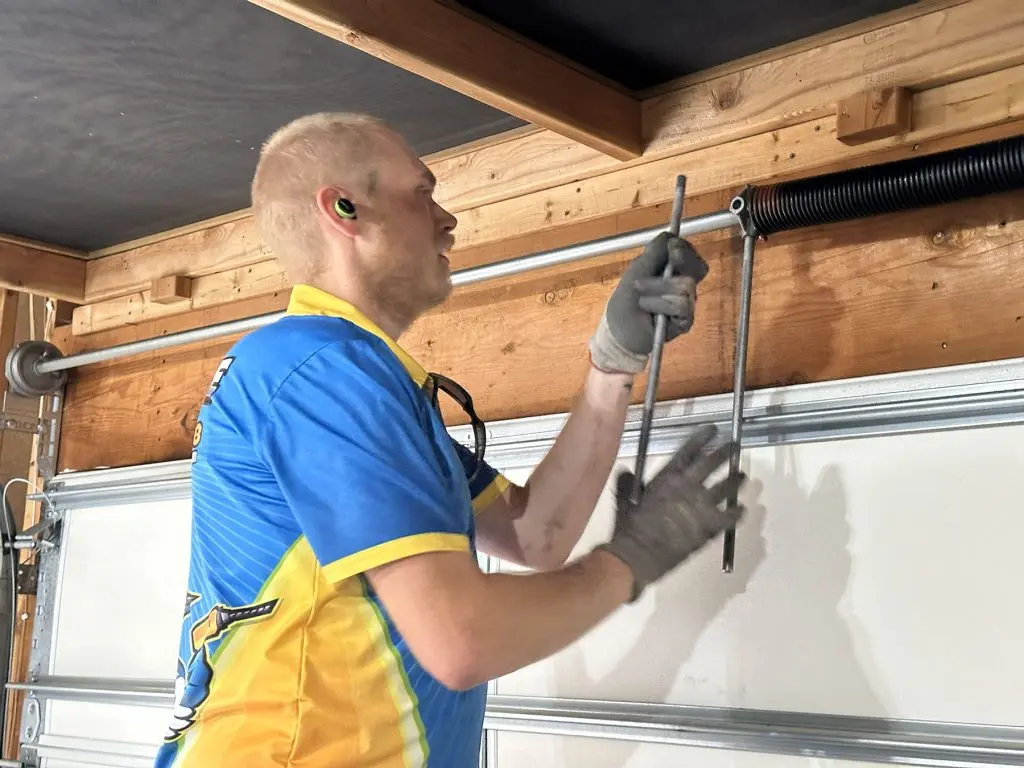
Your garage door is one of the most-used moving systems in your home, opening and closing multiple times a day to support your daily routine. With that level of use, it’s no surprise that regular care is essential to keep it running smoothly. Garage door maintenance helps protect every part of the system, prevents costly repairs, and ensures safe operation year-round. But how often should it actually be done? The answer depends on several factors, including how often you use the door, the climate you live in, and the age of your system. Understanding the right maintenance schedule helps you stay ahead of problems and enjoy reliable performance for years to come. Building a routine that fits your home is one of the easiest ways to avoid surprises and protect your investment over time.
Why Regular Garage Door Maintenance Matters
Garage doors are made up of many moving parts that all work together. Springs, cables, rollers, hinges, tracks, and the opener each play a specific role in keeping the door balanced and functional. Over time, these components naturally wear down. Without regular attention, small issues can grow into bigger problems that affect the safety and performance of the entire system.
Routine garage door maintenance helps extend the lifespan of your door, lower repair costs, and improve overall safety. It also supports consistent daily performance, giving you the peace of mind that your door will work reliably whenever you need it. Skipping maintenance, on the other hand, often leads to unexpected breakdowns and expensive emergency repairs. Staying proactive helps you stay in control of the system instead of reacting to problems after they happen.
How Often Should Garage Door Maintenance Be Done?
Most homeowners benefit from scheduling professional garage door maintenance at least once a year. For homes with heavy use, twice a year is ideal. This general guideline applies to most residential garage doors, but the right schedule for your home may vary based on a few key factors. The more you use your door, the more often it needs attention.
Beyond professional service, simple monthly checks by the homeowner can help catch small issues early. Combining annual or biannual professional care with regular at-home inspections gives your garage door system the best chance at long-term performance. This combination also helps you build familiarity with how your door normally operates, making it easier to spot changes.
Factors That Affect Garage Door Maintenance Frequency
Not every garage door needs the same level of care. Several factors influence how often maintenance should be done, and understanding them helps you build a schedule that fits your specific situation. Taking the time to evaluate these factors can also help you communicate more clearly with a technician when scheduling service.
Daily Usage and Frequency of Operation
How often you use your garage door has a major impact on how often it needs maintenance. Homes that use the garage as the main entry point typically open and close the door multiple times a day. Each cycle adds wear to the springs, opener, and other components.
Households with multiple drivers or busy daily routines may need maintenance more frequently than homes with low usage. The more cycles your door goes through, the faster the components wear down.
Age of the Garage Door System
Older garage doors typically need more frequent maintenance than newer ones. As systems age, components like springs, rollers, and cables become more prone to wear. Older openers may also struggle with modern demands, especially if they were installed before today’s smart and safety features became standard.
If your garage door is more than 10 years old, scheduling more frequent maintenance can help extend its lifespan and prevent unexpected failures. Older systems also benefit from closer monitoring between professional visits.
Local Climate and Seasonal Conditions
The weather plays a bigger role in garage door performance than many homeowners realize. Freezing temperatures can stiffen springs and thicken lubricants, while summer heat can stress the opener and accelerate wear. Humidity, rain, snow, and seasonal debris all contribute to how often your door needs care.
In regions with harsh winters or extreme temperature swings, scheduling maintenance before each major season change is a smart move. This proactive approach helps your door handle whatever conditions come its way.
Type of Garage Door and Materials Used
Different garage doors have different maintenance needs. Steel doors are durable and require less upkeep, while wood doors may need more frequent care to maintain their appearance and protect against moisture. Insulated doors and custom designs may also require specific attention based on their construction.
Knowing the type of door you have helps you plan the right maintenance schedule. A professional technician can also recommend the best approach based on your specific system.
Whether It’s a Residential or Commercial Door
Commercial garage doors typically require more frequent maintenance than residential doors. They go through more cycles each day, often in demanding environments. While most homeowners can stick to an annual or biannual schedule, commercial properties may need quarterly or even monthly service depending on usage.
Understanding the difference helps you plan accordingly if you manage both types of doors.
Recommended Garage Door Maintenance Schedule
Building a consistent maintenance schedule is one of the best ways to keep your garage door performing reliably. Here’s a simple breakdown of what to expect throughout the year. Sticking to a routine takes the guesswork out of upkeep and helps you avoid forgetting service when life gets busy.
Annual Professional Maintenance
At a minimum, every garage door should receive a full professional service once a year. During this visit, a technician inspects the entire system, lubricates moving parts, tightens hardware, tests balance, and checks safety features. This thorough service helps catch small issues early and keeps the system in top condition.
Annual maintenance is especially valuable for homes with average usage and newer doors. It provides a strong foundation for long-term reliability.
Biannual Maintenance for Heavy Use
For homes with heavy daily use or older systems, scheduling maintenance twice a year is the better choice. Many homeowners find that booking one visit in the spring and another in the fall offers the best results. Spring service helps recover from winter wear, while fall service prepares the system for cold weather demands.
This twice-a-year schedule helps prevent breakdowns and keeps your door ready for whatever the seasons bring.
Monthly Homeowner Checks
Between professional visits, simple monthly checks can help you stay ahead of small issues. Listen for unusual sounds, watch for slow or uneven movement, and visually inspect the door for signs of wear. Testing the safety reversal sensor is another quick task that adds peace of mind.
These at-home checks don’t replace professional maintenance, but they do provide an extra layer of awareness that helps you catch problems early. They also help you stay familiar with the way your system normally performs.
Signs You Need Garage Door Maintenance Sooner
Sometimes your garage door will let you know it needs attention before the next scheduled service. Watching for these warning signs helps you act quickly and avoid bigger problems down the road.
Unusual Noises During Operation
Grinding, popping, or squeaking sounds often indicate worn rollers, loose hardware, or stressed springs. While some noise is normal, sudden or loud sounds usually mean the system needs attention. Catching these issues early prevents them from turning into bigger repairs.
Slow or Uneven Movement
A garage door should move smoothly and evenly. If it starts opening slowly, jerking, or tilting to one side, something is off. These symptoms often point to issues with the springs, cables, or opener and should be addressed quickly.
Visible Wear on Components
Frayed cables, rusted hardware, or worn rollers are clear signs that maintenance is overdue. Visible damage usually means deeper issues are developing, and waiting too long can lead to complete system failure.
Increased Energy Bills
Damaged seals, poor insulation, or gaps around the door can affect your home’s energy efficiency. If you notice rising utility bills, your garage door may be contributing to the problem. A maintenance visit can help identify and resolve these issues.
Benefits of Sticking to a Regular Garage Door Maintenance Schedule
Following a consistent garage door maintenance schedule offers a wide range of benefits. It extends the lifespan of your door, reduces the risk of unexpected breakdowns, and lowers long-term repair costs. It also improves safety, supports better energy efficiency, and keeps your system performing reliably every day.
Beyond the practical benefits, regular maintenance gives you peace of mind. Knowing your garage door is well cared for allows you to focus on the things that matter most. For most homeowners, the small investment in routine service pays off many times over in convenience, safety, and long-term value. Consistent care also helps preserve the value of your home by keeping one of its most visible features in great shape.
Schedule Your Garage Door Maintenance With MN Garage Door Service
Knowing how often your garage door needs maintenance is the first step toward keeping your system running smoothly. Whether you need annual care, seasonal service, or attention to a specific issue, regular maintenance helps you stay ahead of problems. MN Garage Door Service provides reliable garage door maintenance designed to extend the life of your system and support long-term performance. Trusting MN Garage Door Service with your maintenance ensures the job is handled with the right tools, expertise, and care your garage door deserves.